Charlotte biometrics pioneer fights identity crime with AI hacker know-how
KEY TAKEAWAYS:
- UNC Charlotte’s Center for Identification Technology Research – CITeR – is beating hackers at their own game with advanced AI (deepfakes and face morphing) to create and detect biometric identity hacks.
- Algorithms that measure biometric “liveness” distinguish a living person from a physical spoof or digital deepfake.
- Access to one of the world’s largest databases of biometric spoofs provides students hands-on experience that prepares them for careers in advanced identity security.
If the head financial executive of a company hops on a video call with an employee and demands they make a transaction, that’s about as legit as it gets, right? Wrong — just as it was in 2024 for a finance worker in Hong Kong who was tricked into sending $25 million to a scammer digitally disguised as the company’s chief finance officer.
That bamboozled businessman is not alone. The power of advanced AI has exploded, and cyber thieves are making hay. Trillions of dollars and some of the world’s most important data are protected by identity tech like face recognition, eye scans and fingerprint readers. In a world where criminals can use AI tools to fake all that and more — and traditional digital security is obsolete — what are the alternatives?
UNC Charlotte’s biometrics pioneer is on the case. Stephanie Schuckers, Bank of America Distinguished Professor in Computing and Informatics and co-director of the UNC Charlotte Artificial Intelligence Institute, brings decades of expertise in biometric security to the College of Computing and Informatics, home since 2024 for her globally recognized research.
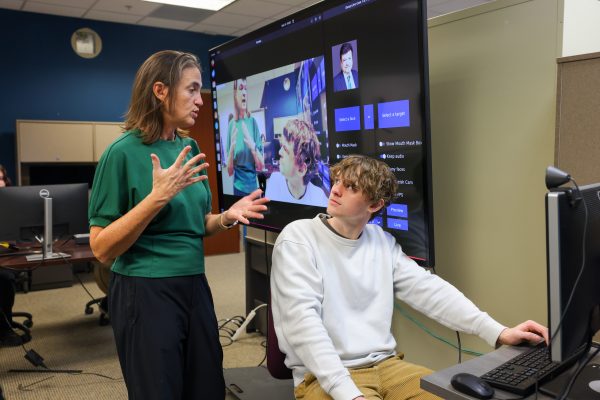
At the Center for Identification Technology Research — CITeR for short — Schuckers leads a team of local and international tech wizards to beat the bad guys at their own game. By conducting their own mock biometric hack attacks with state-of-the-art AI technology, they determine how to prevent those advanced attacks from happening in the future.
“We need to become an attacker – to understand what real attackers might do – and be the good guys,” Schuckers said.
Tap the link below to learn more about Stephanie Schuckers and CITeR’s groundbreaking work, only in Charlotte: